The Chronicle of Vanishing Line
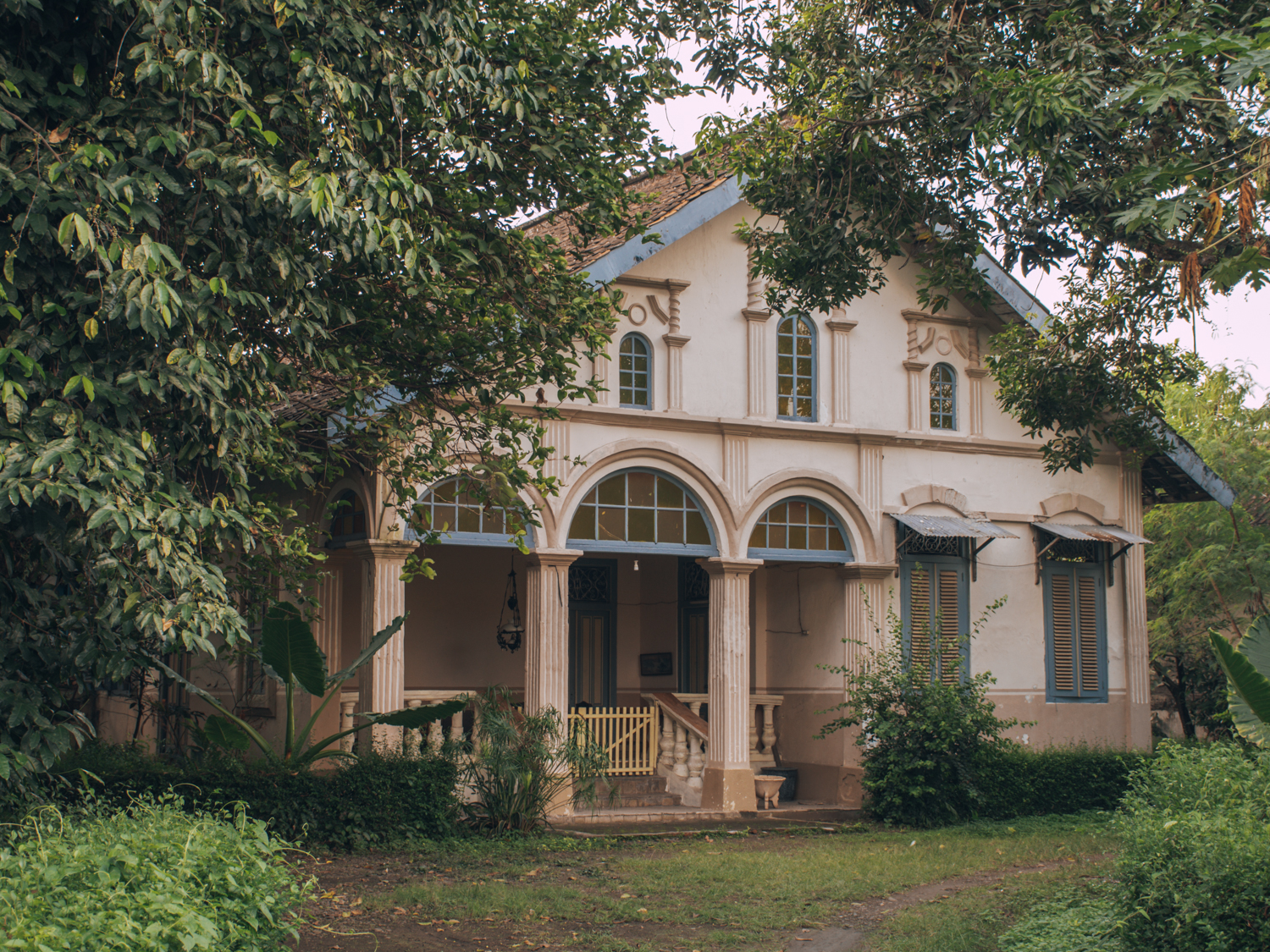
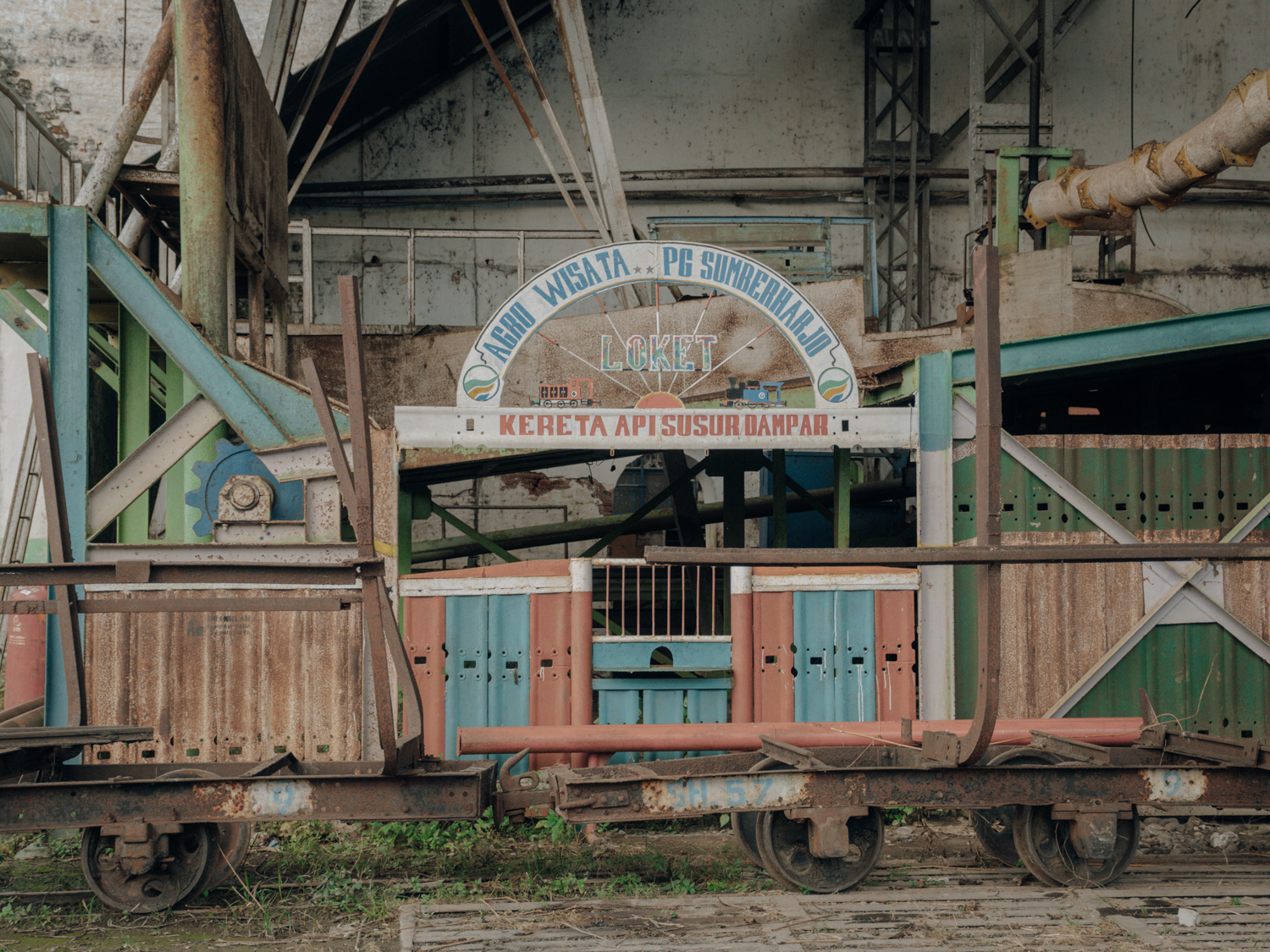
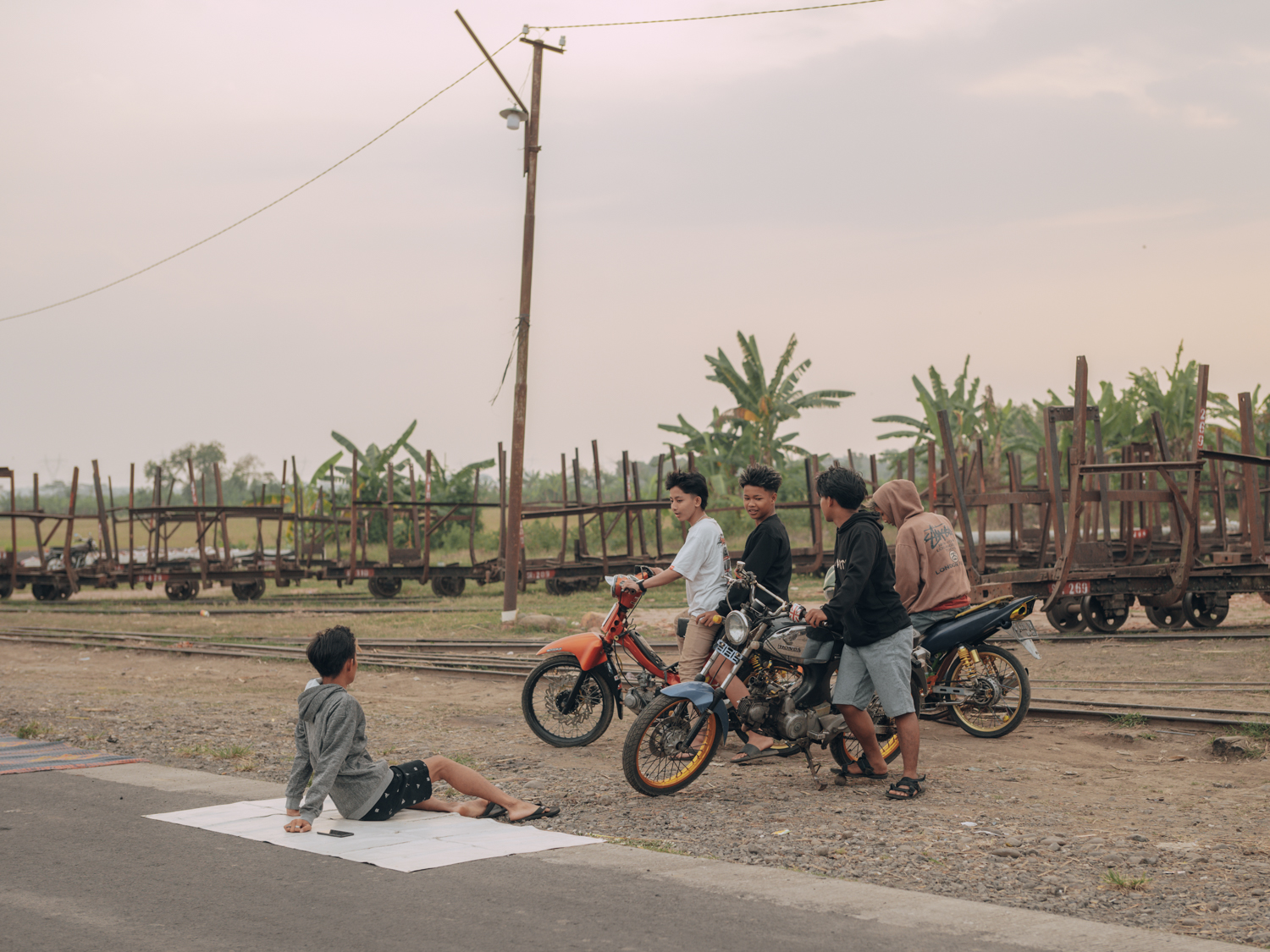
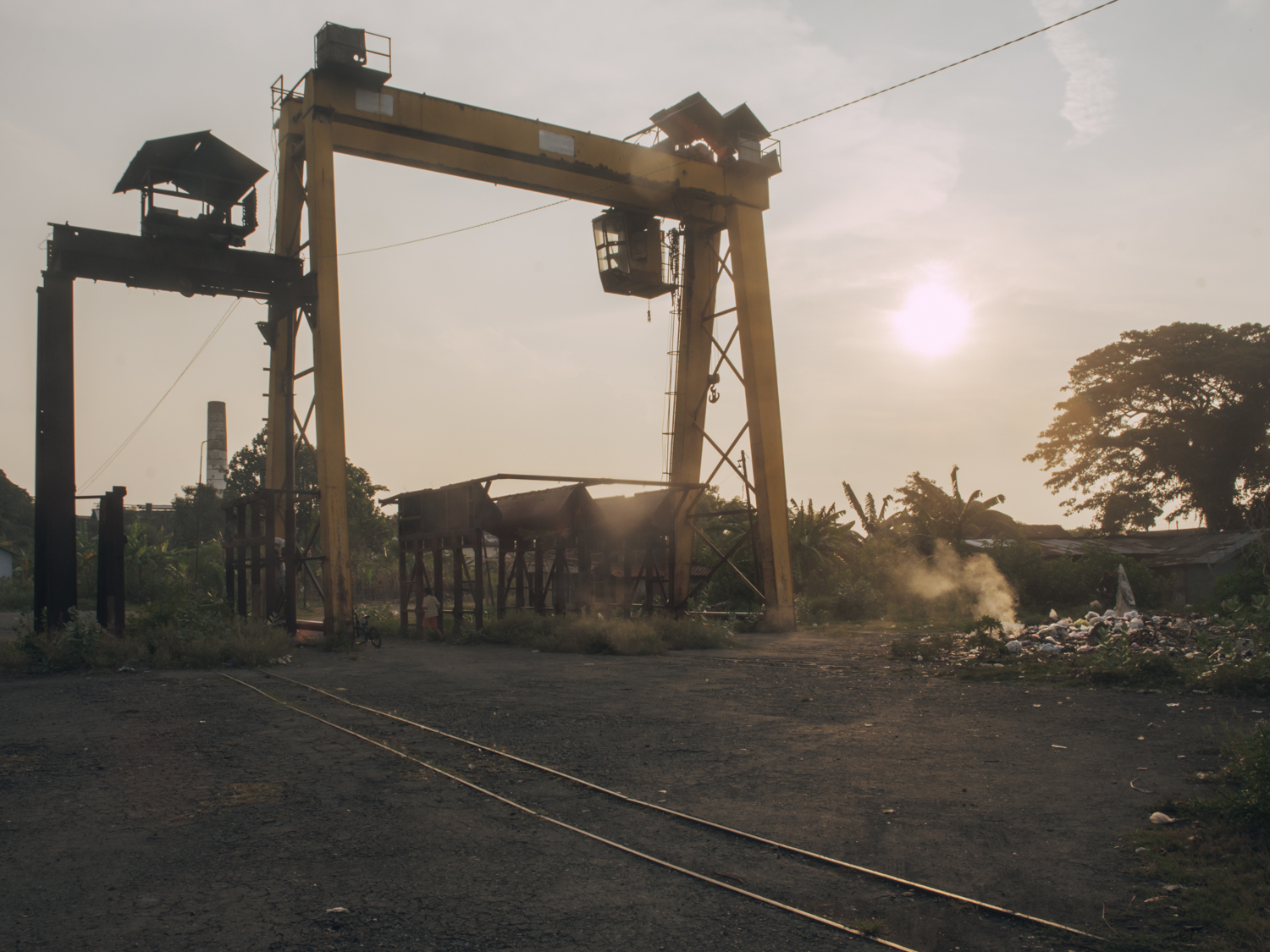
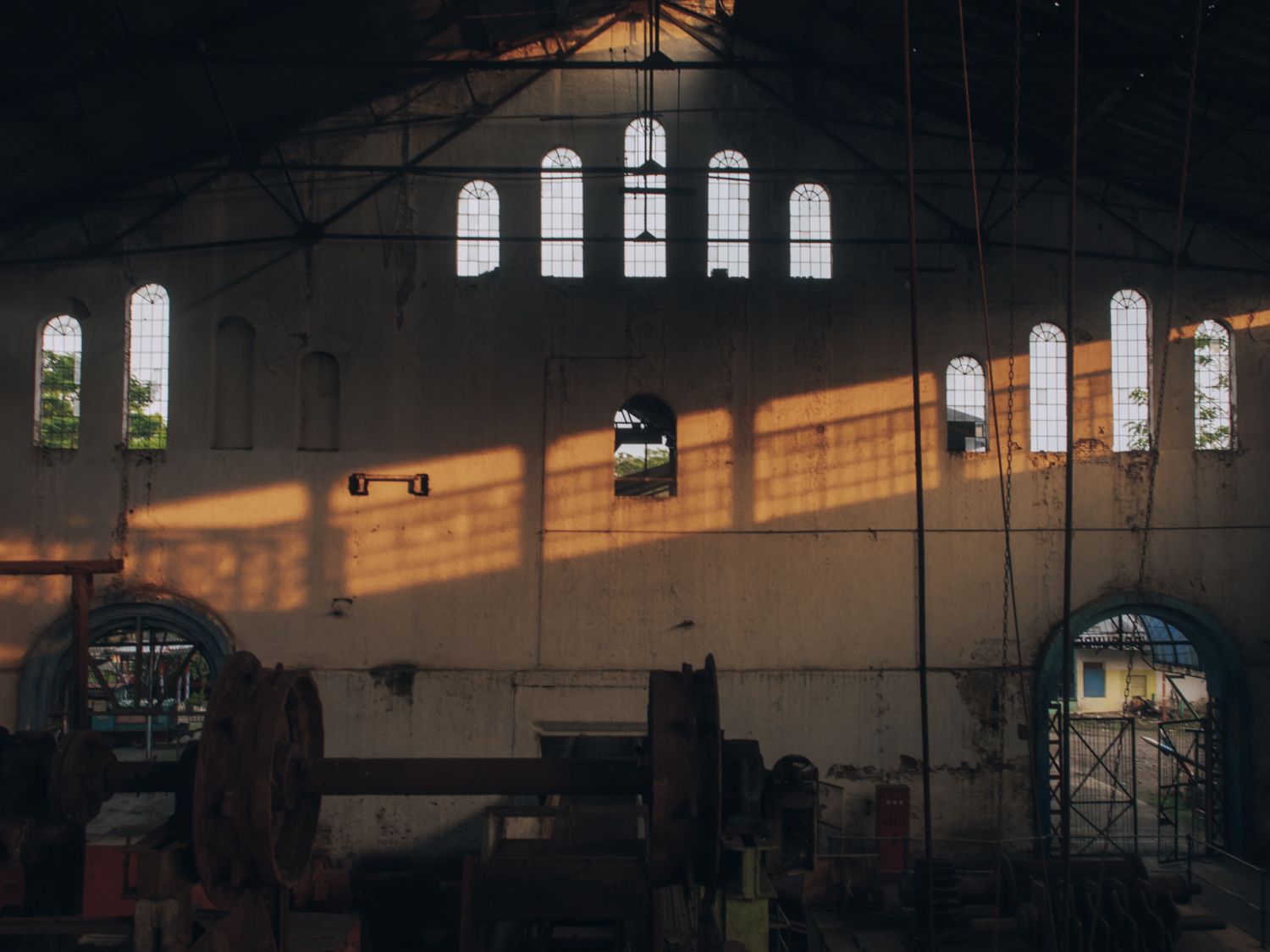
It has been 191 years since the Dutch built their first sugar factory in Indonesia, at the same time making this country a major supplier of sugar and even dominating the international market; that was a sweet narrative during the colonial era. Technological improvements, shown by the use of Decauville (industrial railroads), significantly boosted sugar production. Numerous Decauville lines were spread across cities along the north coast of Central Java, home to 45 active sugar factories at the time.
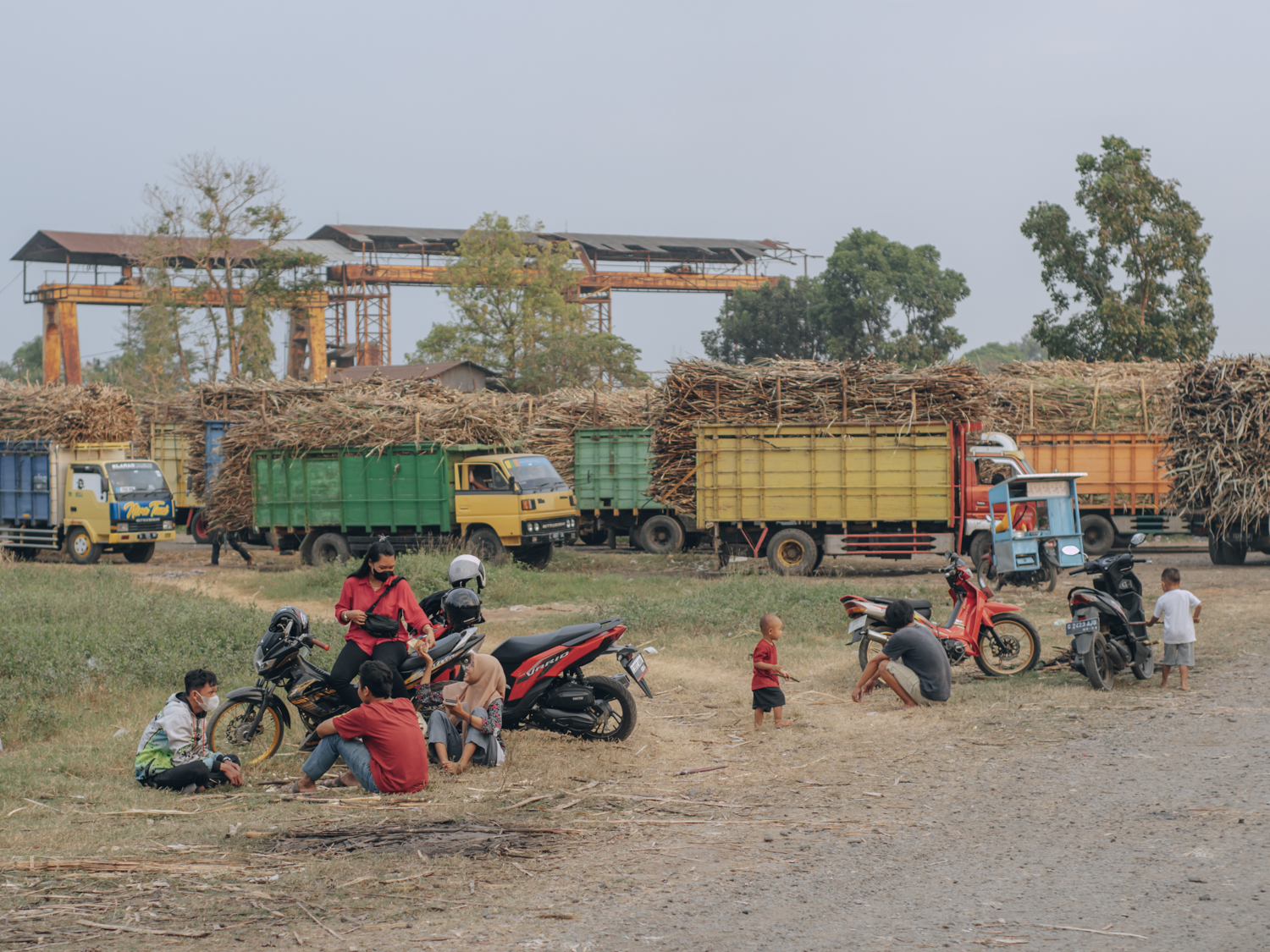
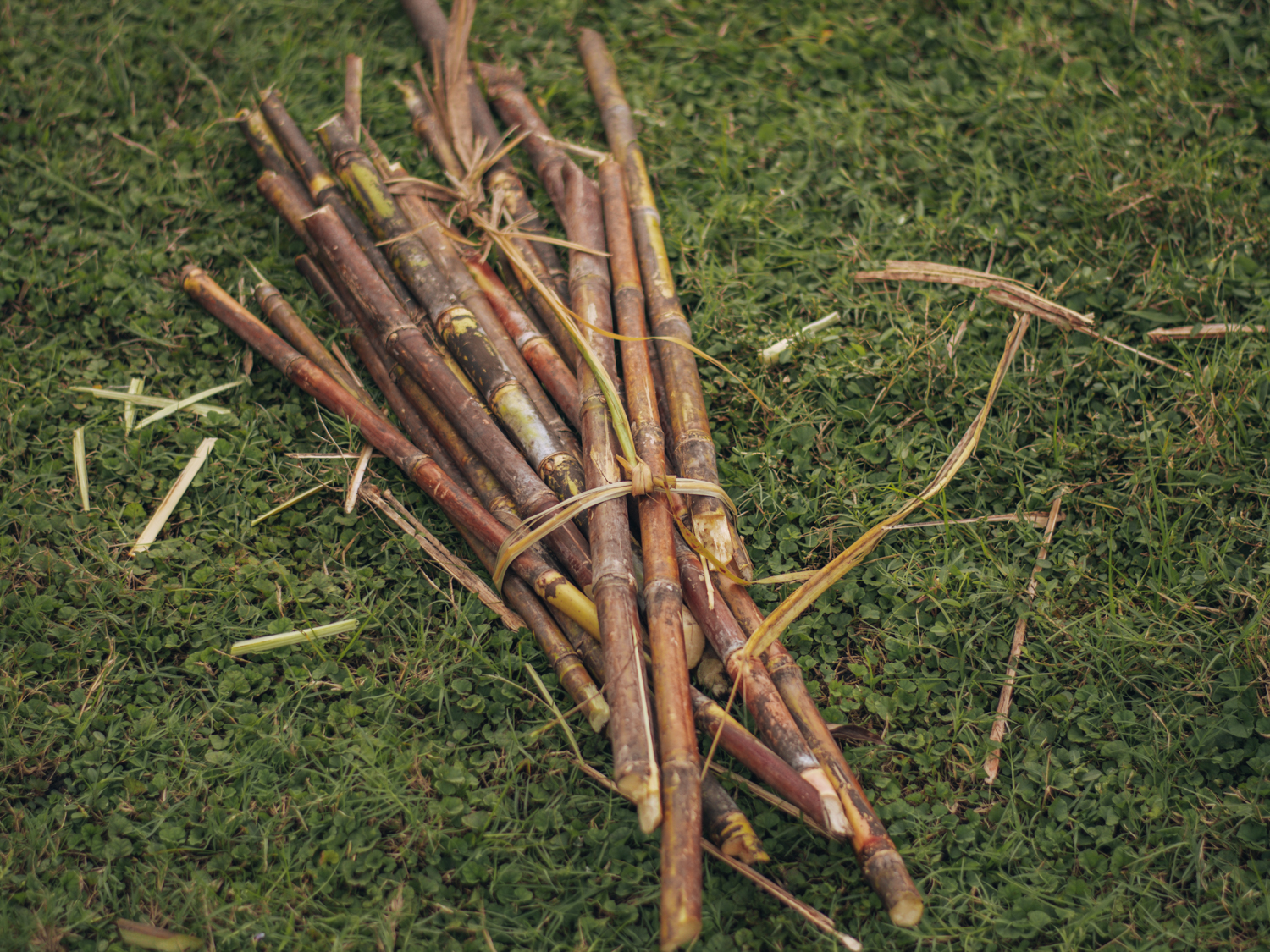
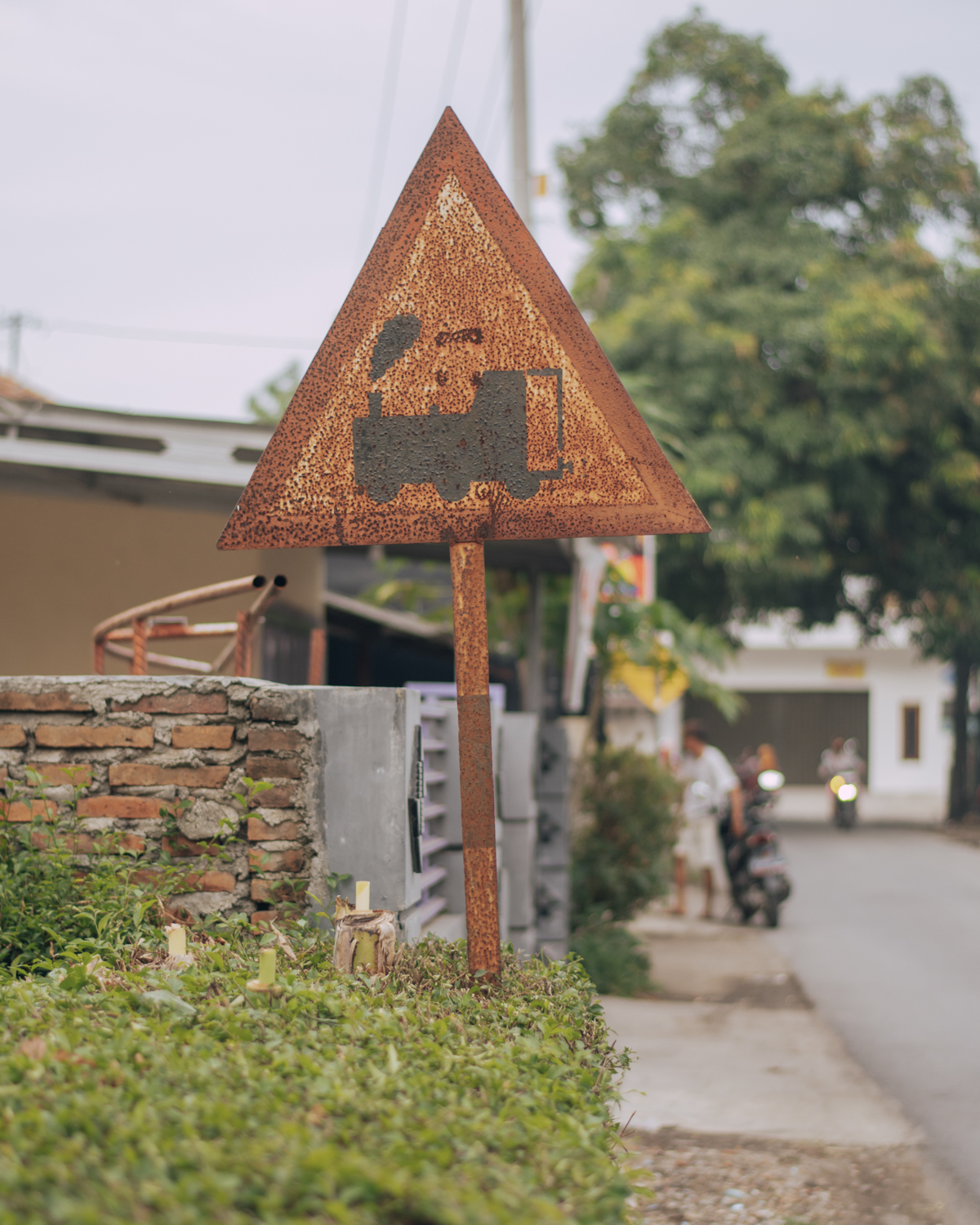
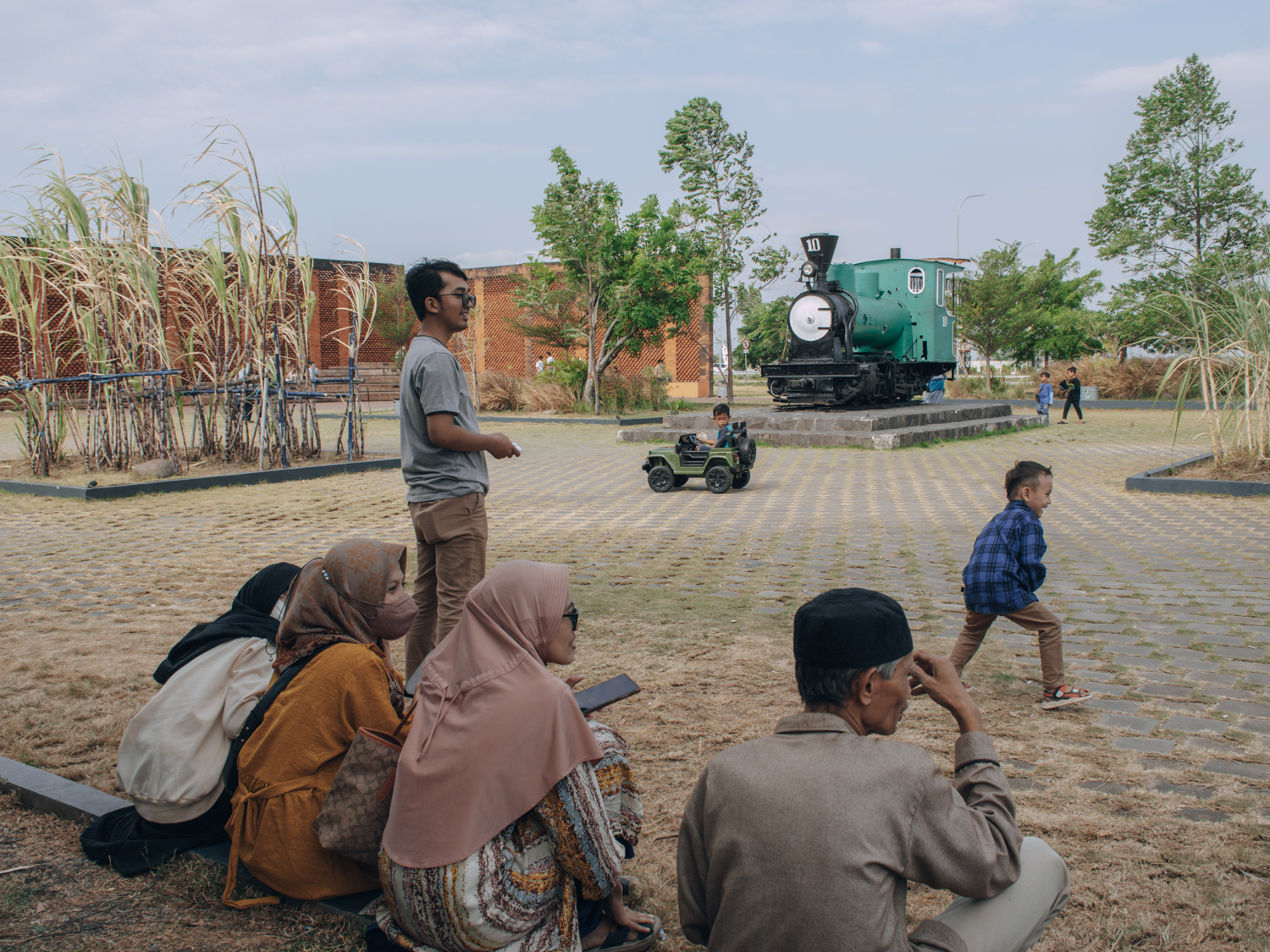
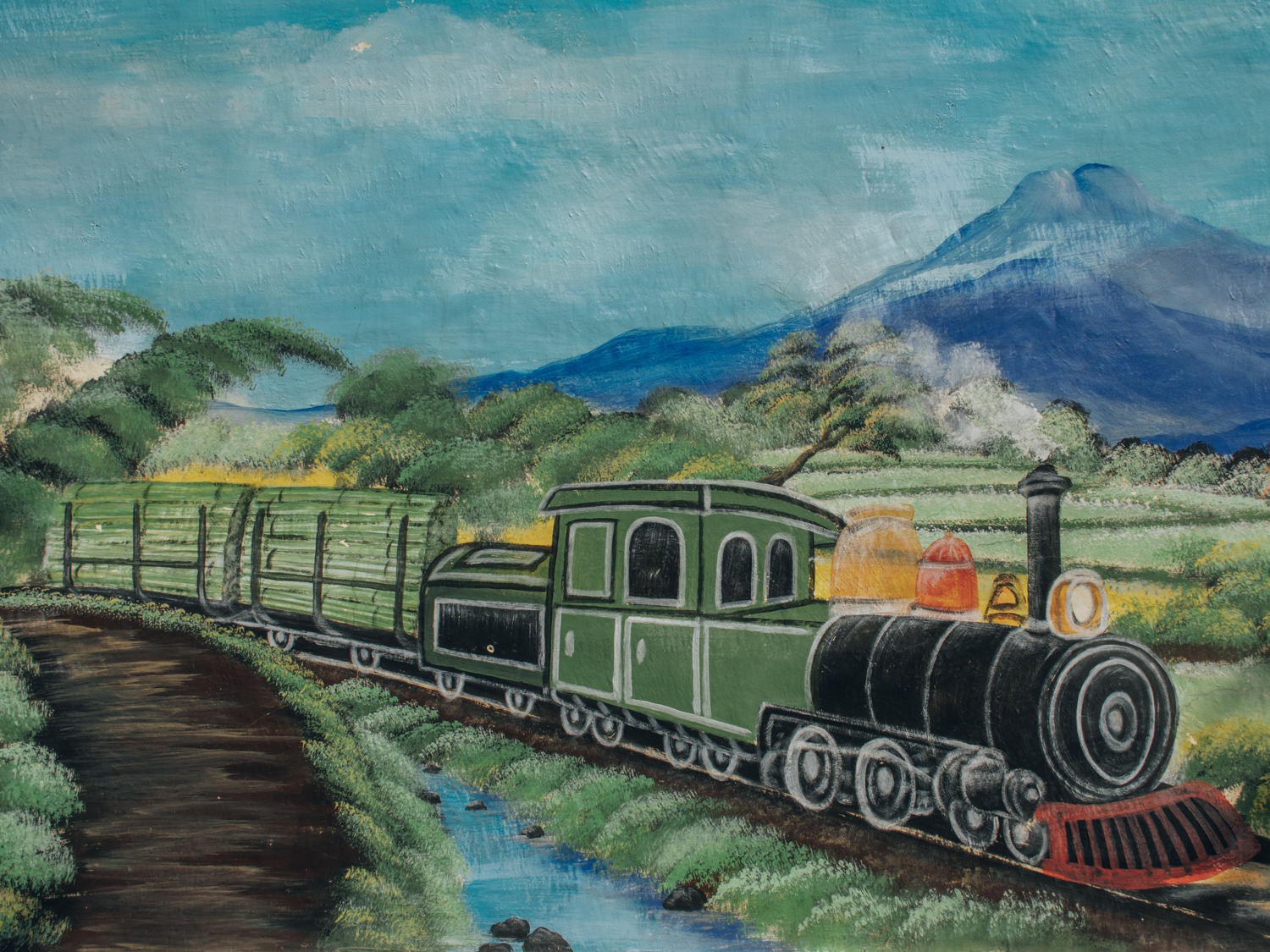
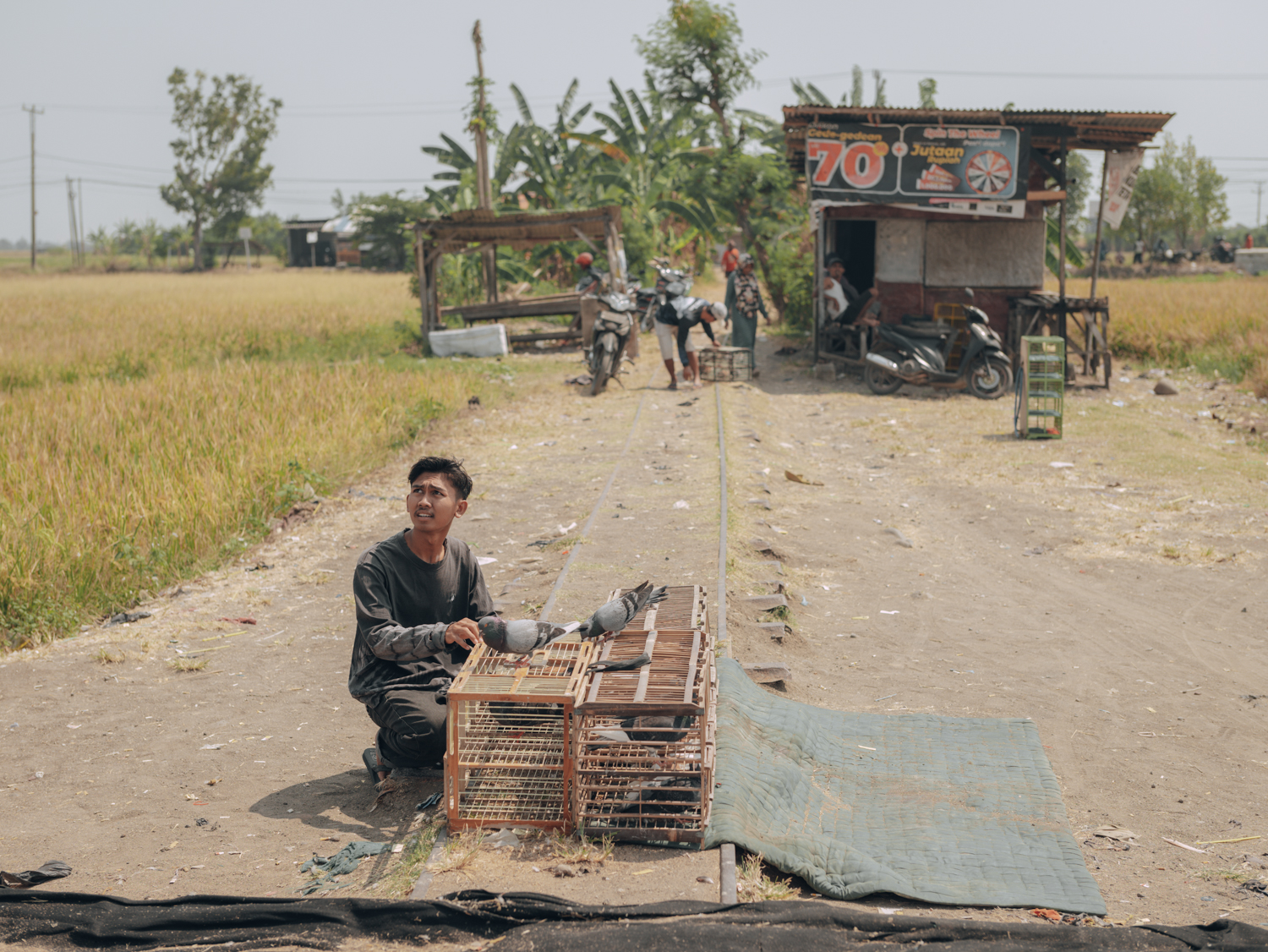
Decauville emerged as a solution for a lightweight, easily dismantled, and efficient transportation system for sugar factories. This line was passed by hundreds of lorries loaded with sugar cane, towed by steam locomotives from distant fields to the factories every harvest season. It was also connected to several train stations, streamlining the cost-effective distribution of large sugar quantities. During this period, Indonesia’s sugar exports peaked at 2.9 million tons.
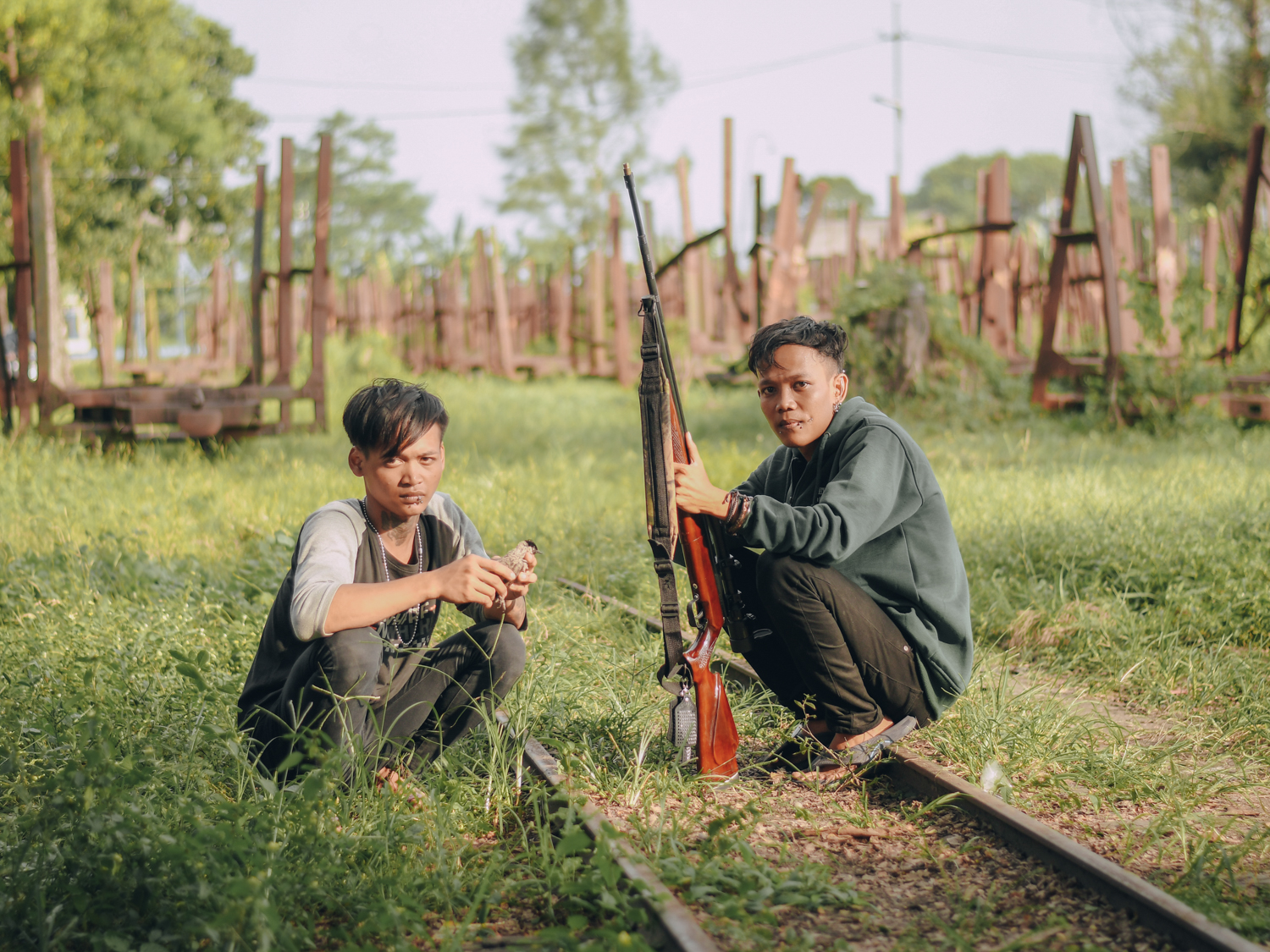
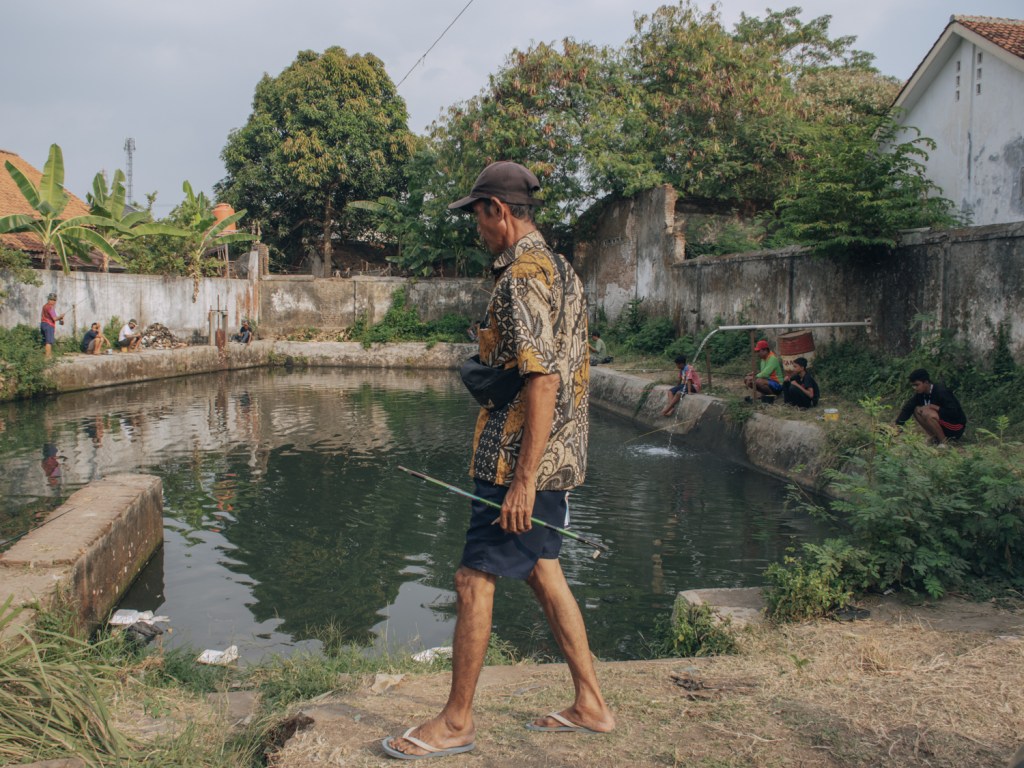
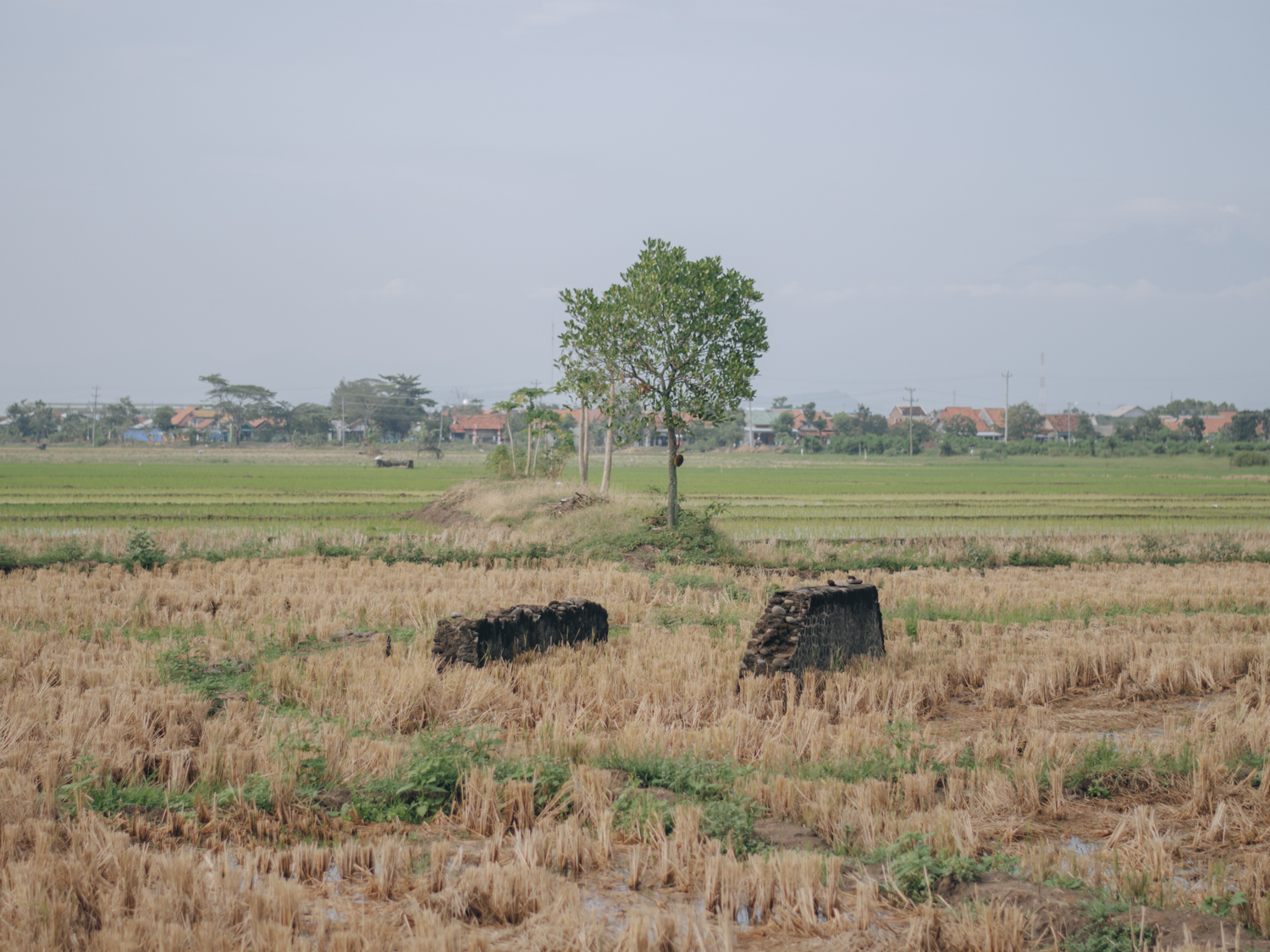
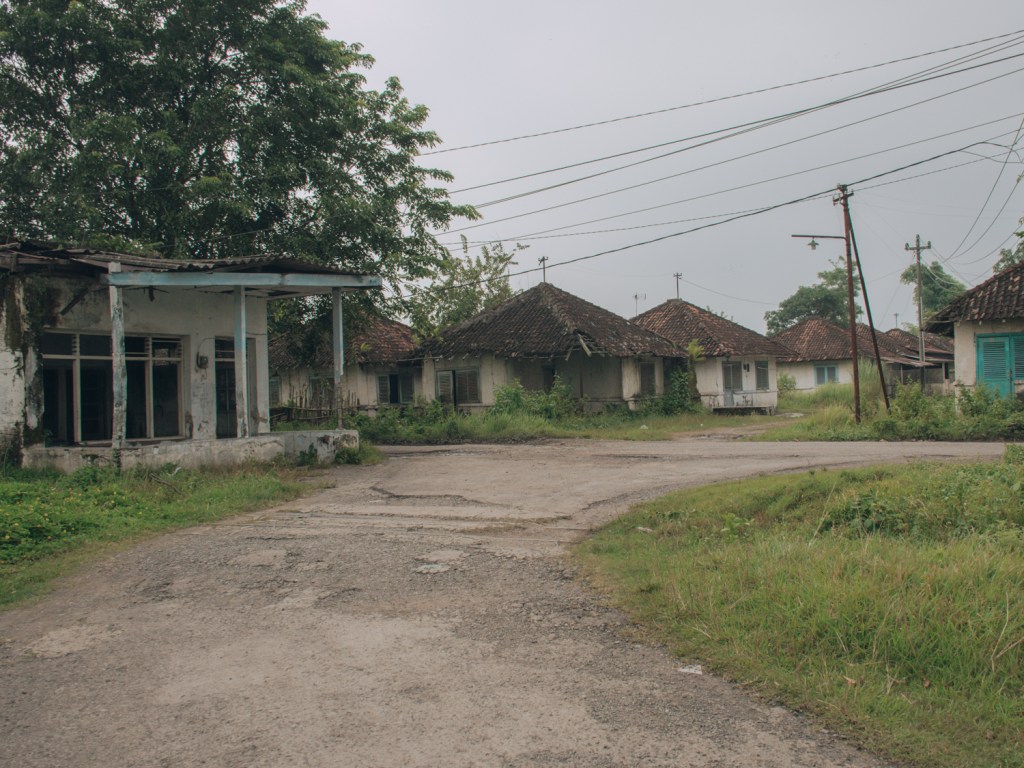
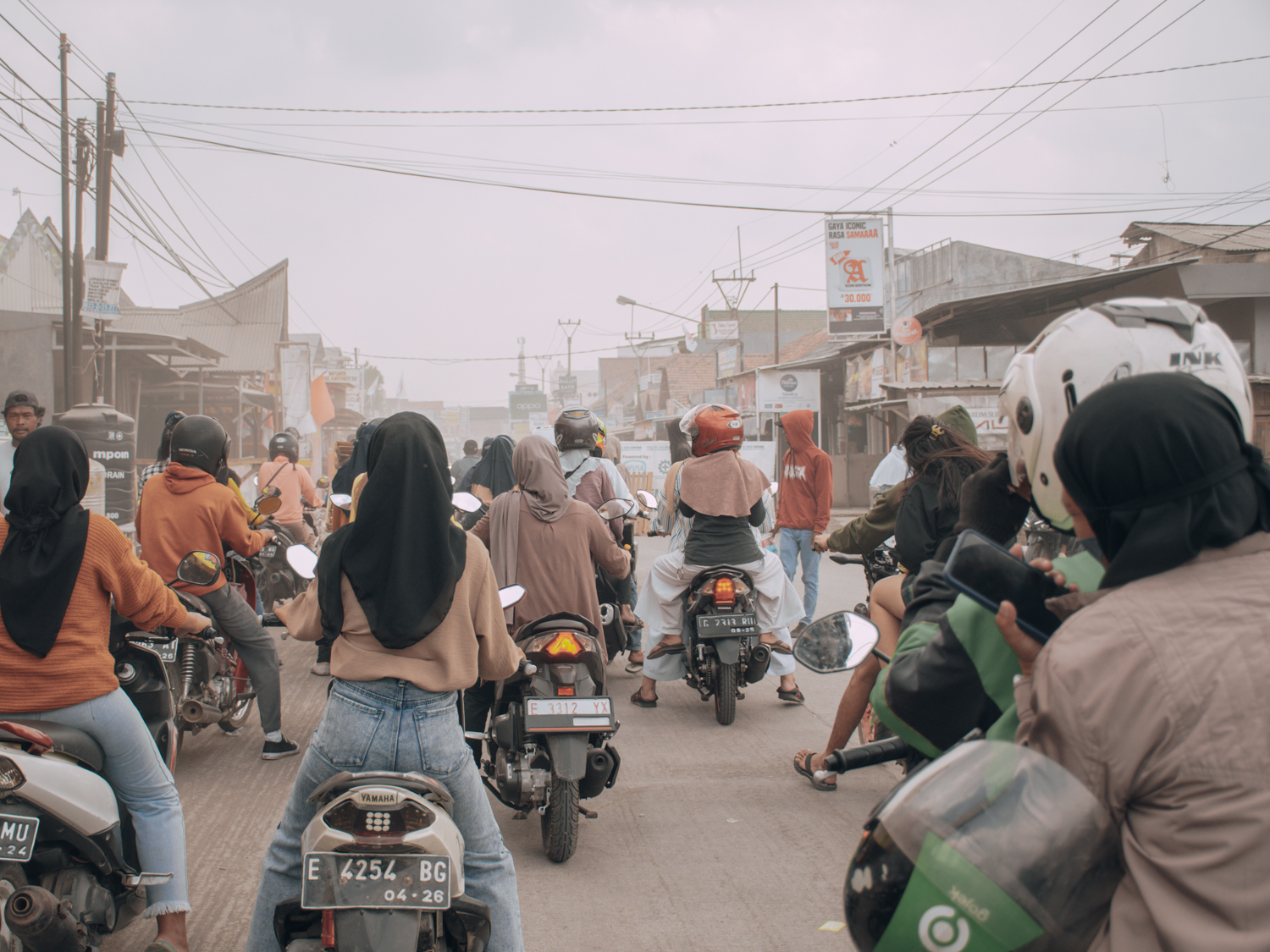
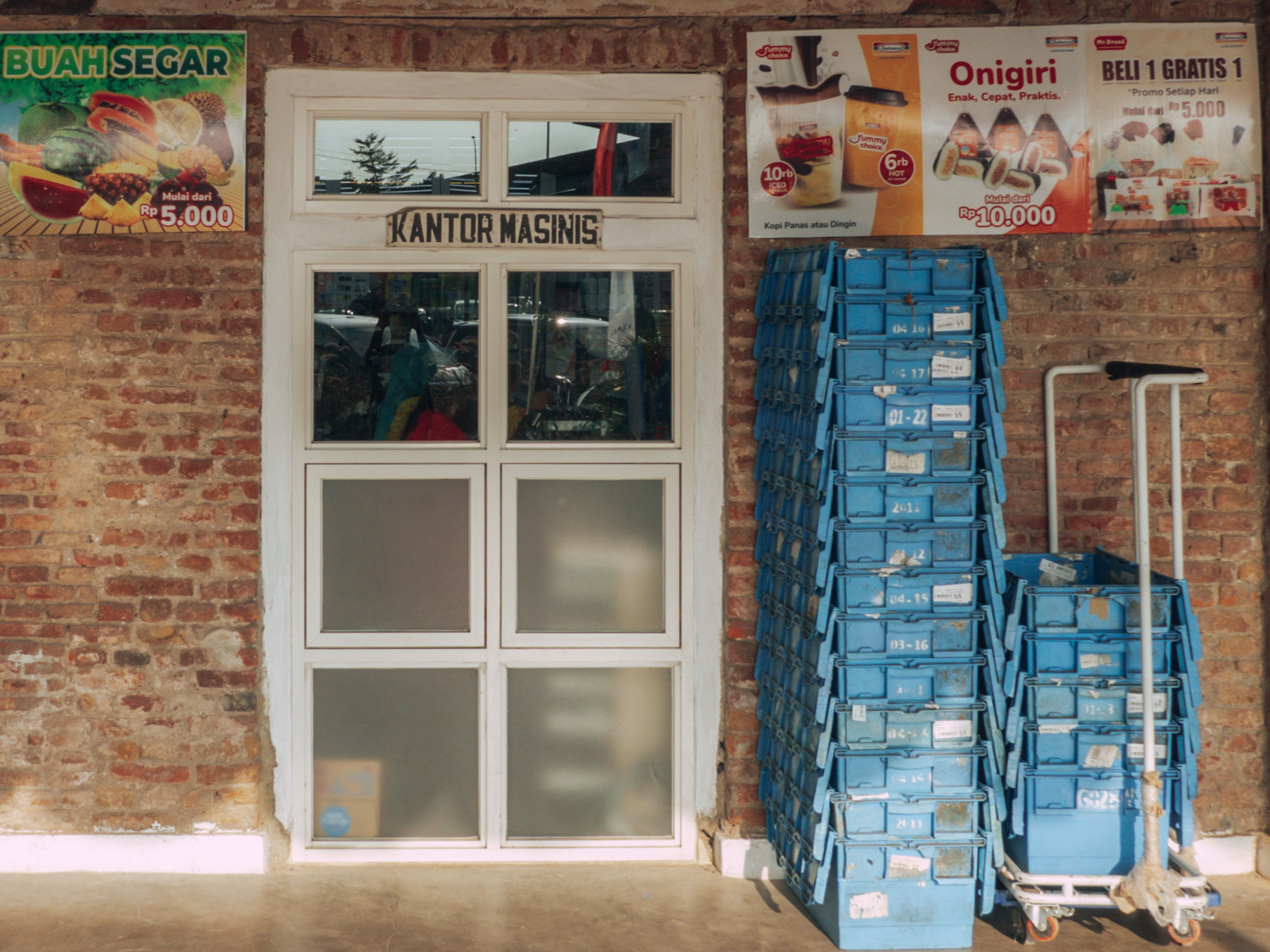
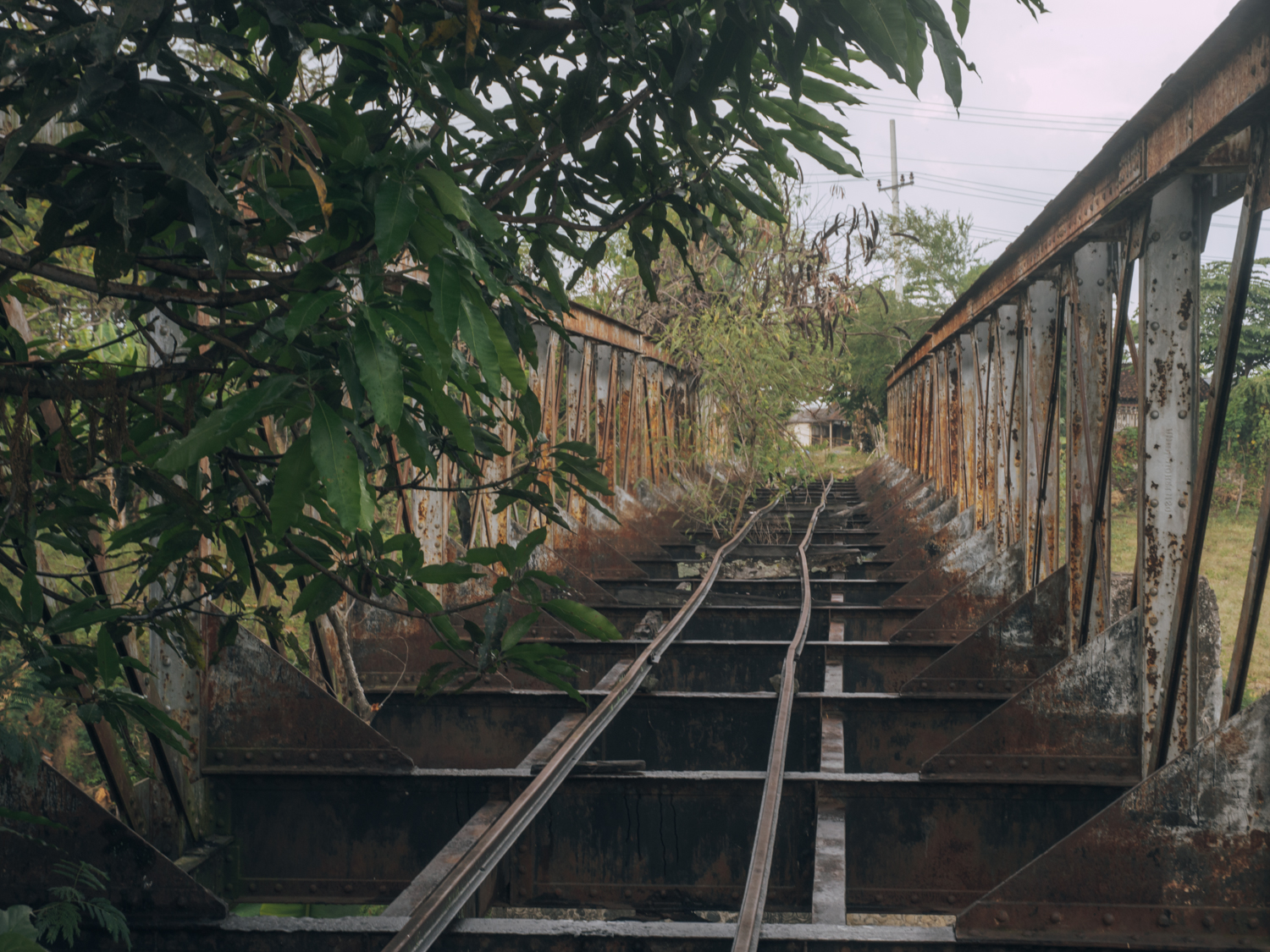
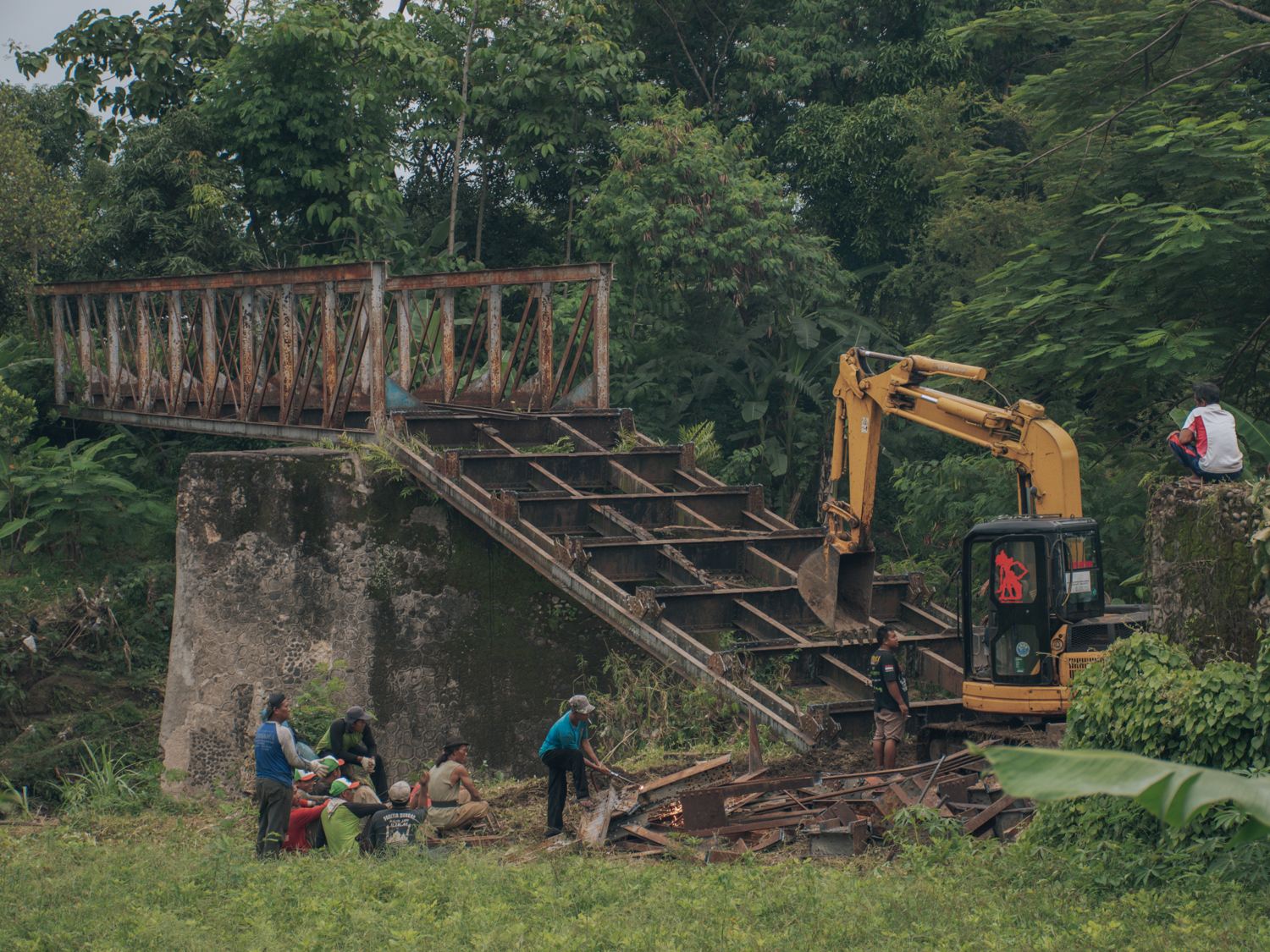
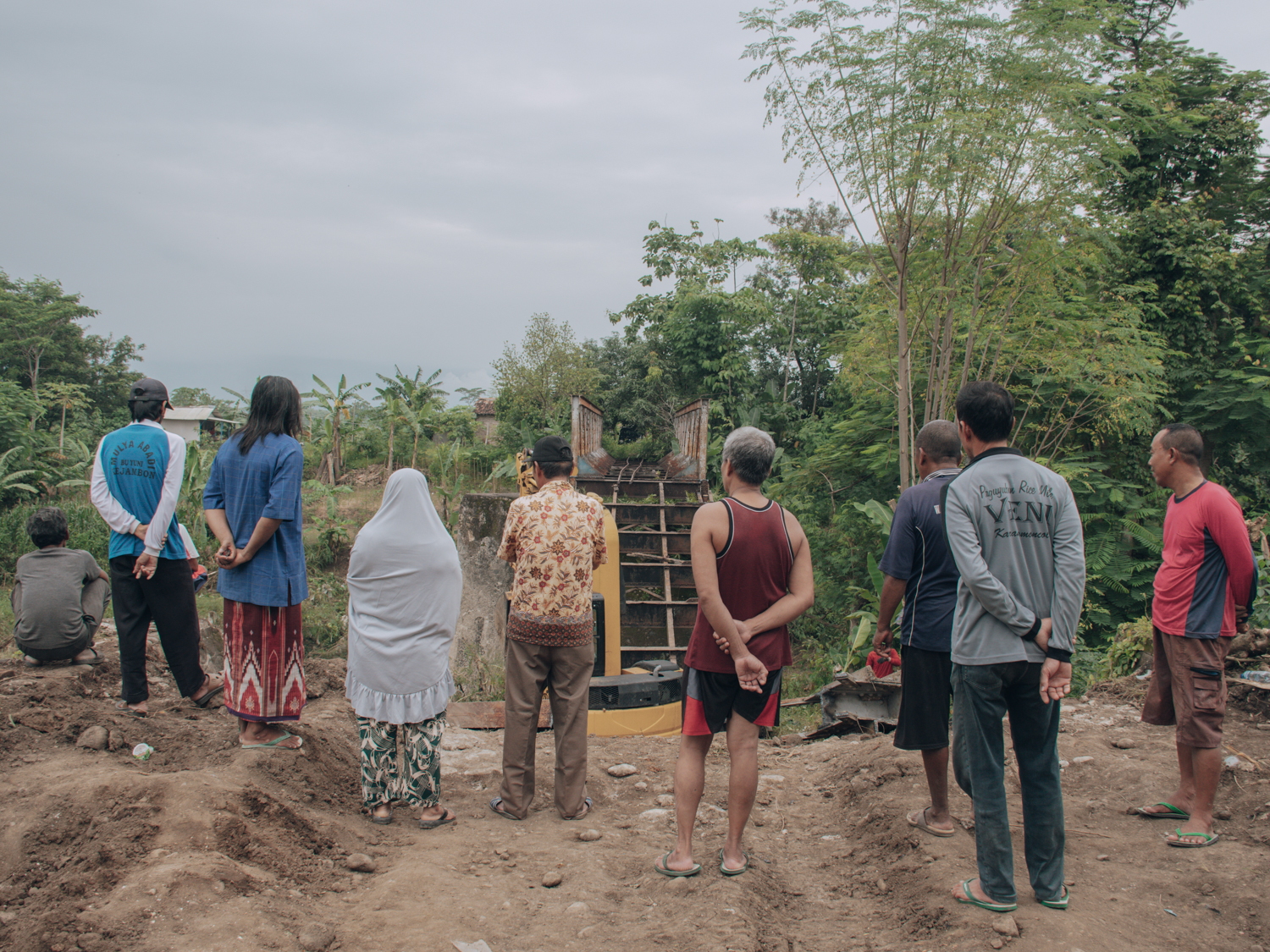
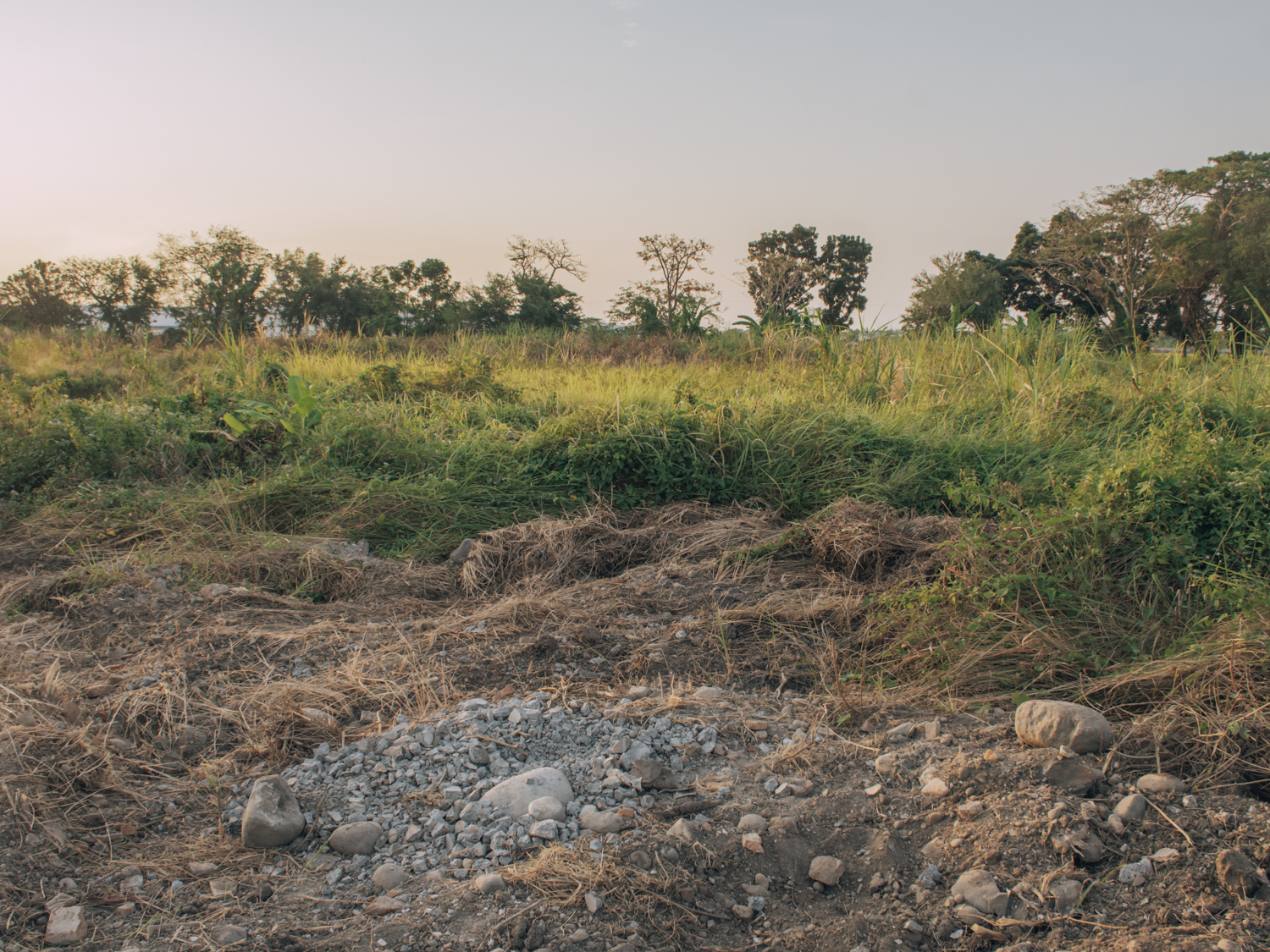
However, this sweet story withered away by the early 2000s. Land constraints, political policies, inadequate high-quality seeds, aging machinery, and economic challenges prompted the gradual shutdown of Decauville lines in factories and fields. Many lines were transformed into roads, settlements, and recreational spaces for residents.

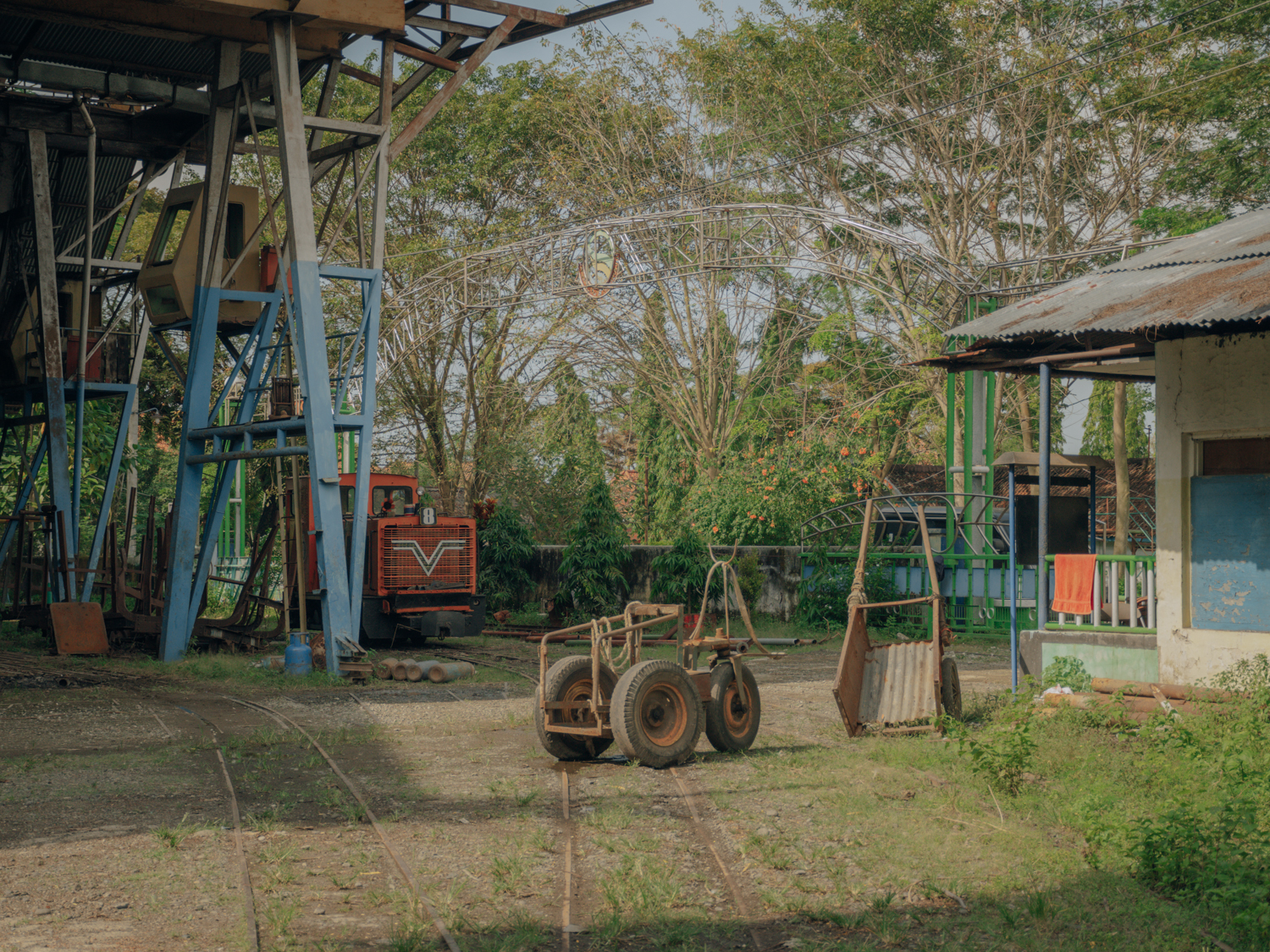
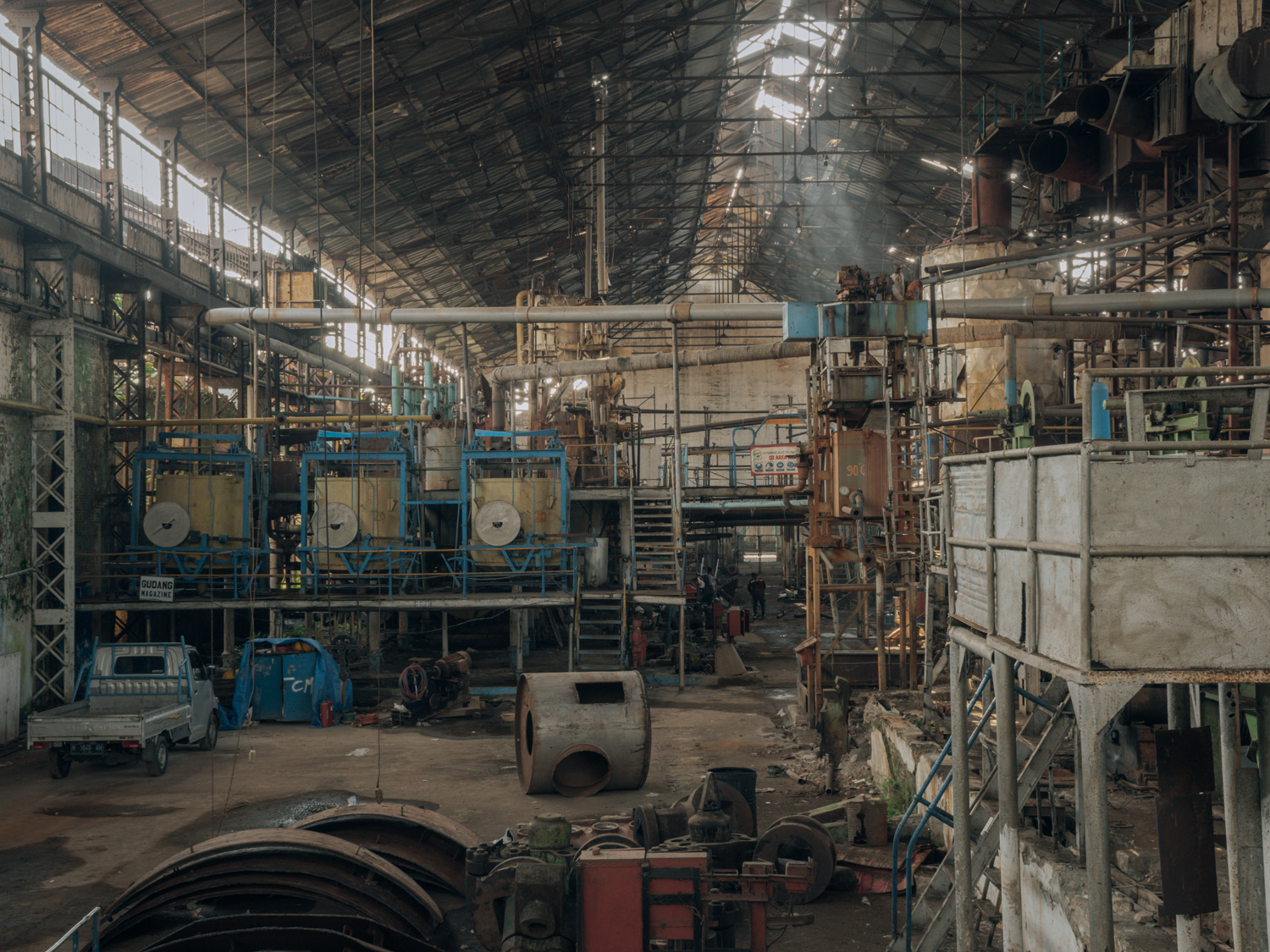
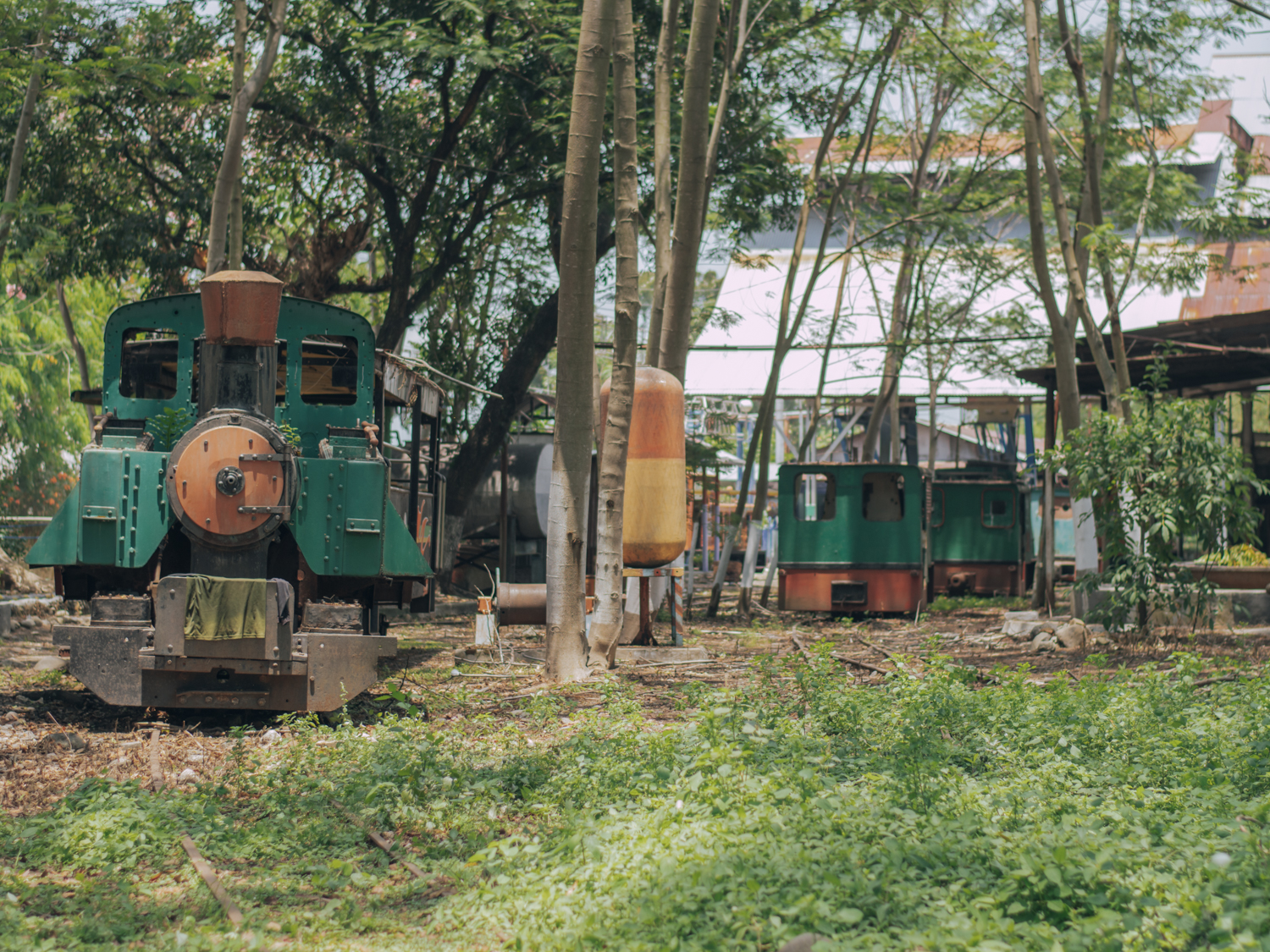

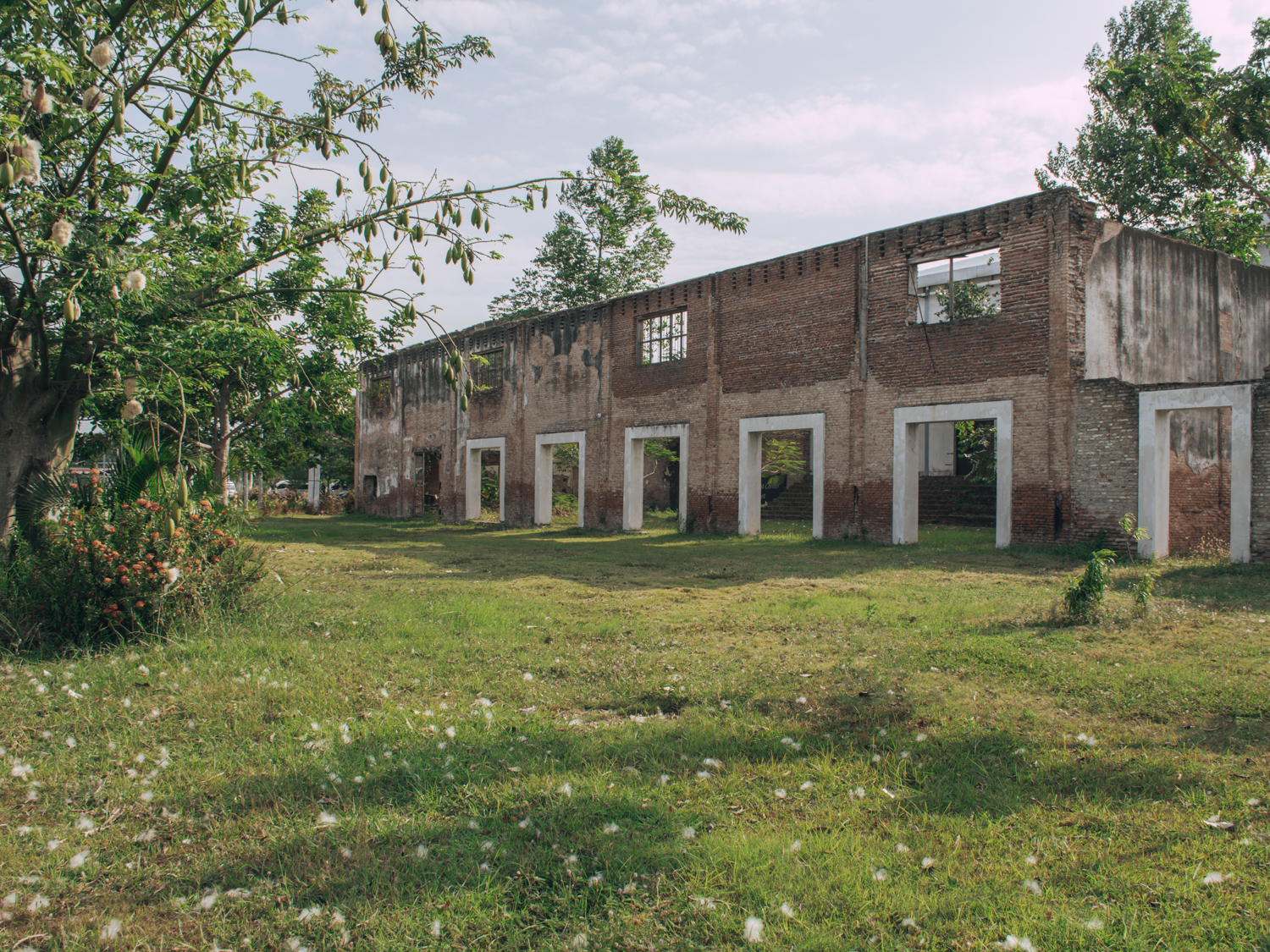
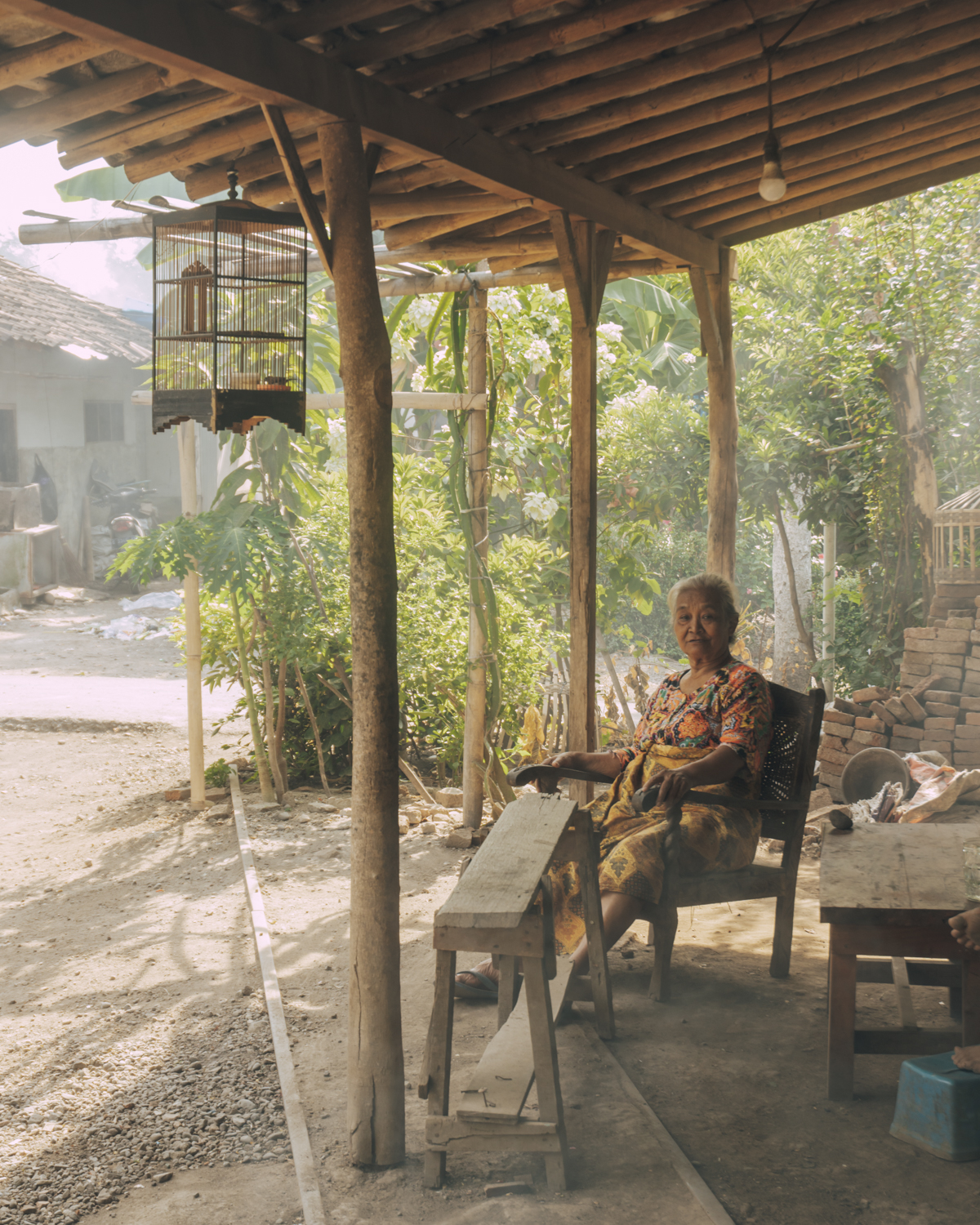
“Interacting with those who once utilized these routes and the lands and factories that produced “white gold” for their daily activities provides an ironic perspective, as Indonesia now become one of the world’s largest sugar importers with total imports reaching 6.01 million tons (Central Statistics Agency’s 2022 report).”
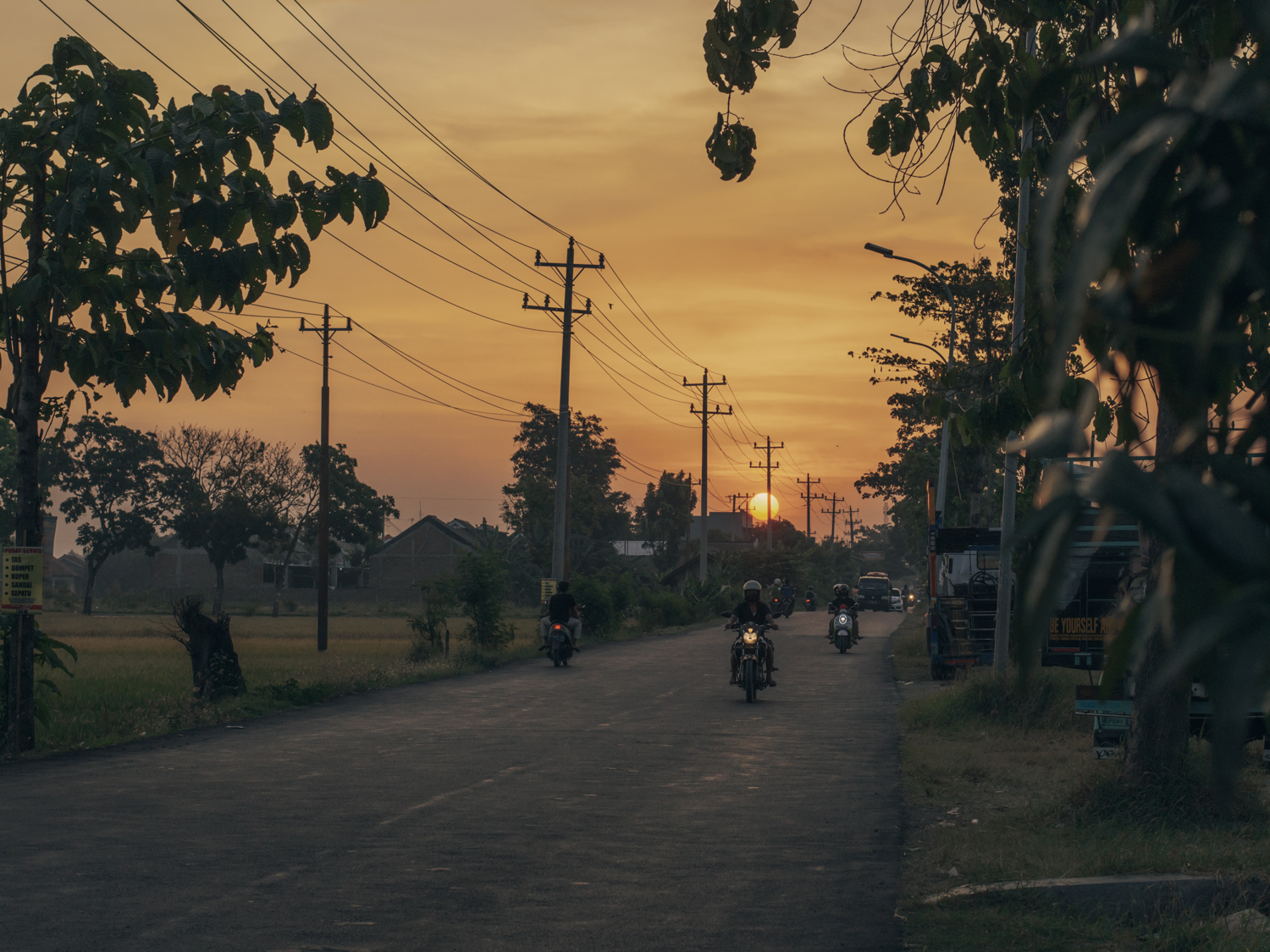
This project preserve the memories of those who experienced the Decauville lines and explore how it influenced their lives. I also invite audiences to engage in a dialogue about the intertwined nature of history and contemporary identity in the places where people are born.








 PRIMAGUNG DARY RILIANANDA